Written by The Roman Baths
Roman Wellbeing
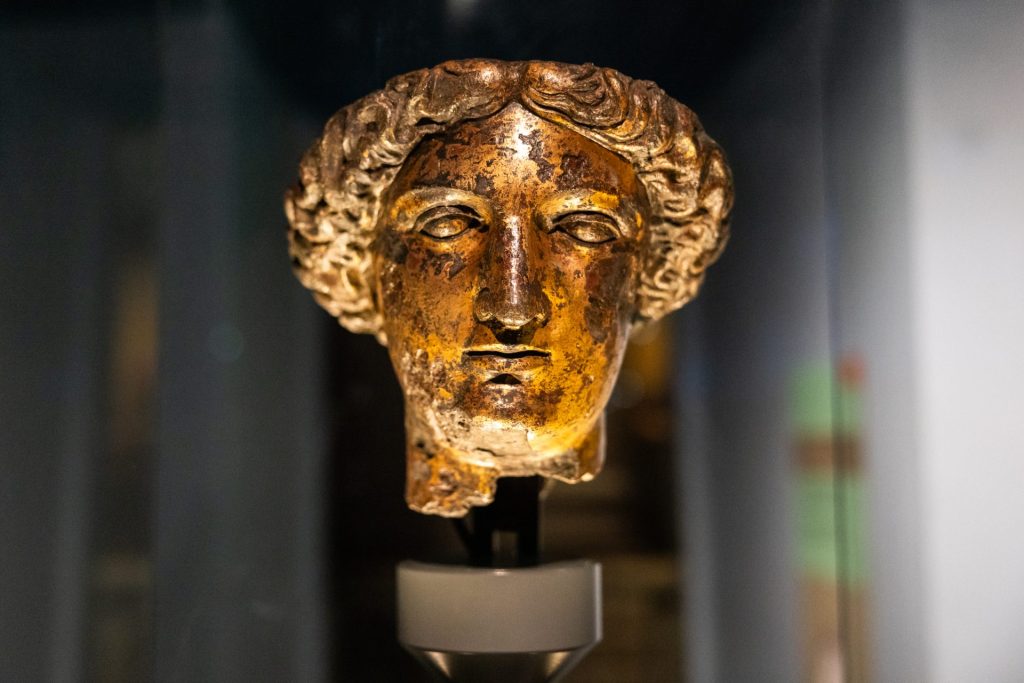
For two millennia, the natural hot springs in Bath have drawn people seeking not only physical healing but also relaxation, rejuvenation, and social connection. Once the heart of Roman bathing culture, over the centuries, the waters of Bath (or Aquae Sulis as it was then known) have been revered for their therapeutic properties, attracting people from all walks of life.
Roman Bathing
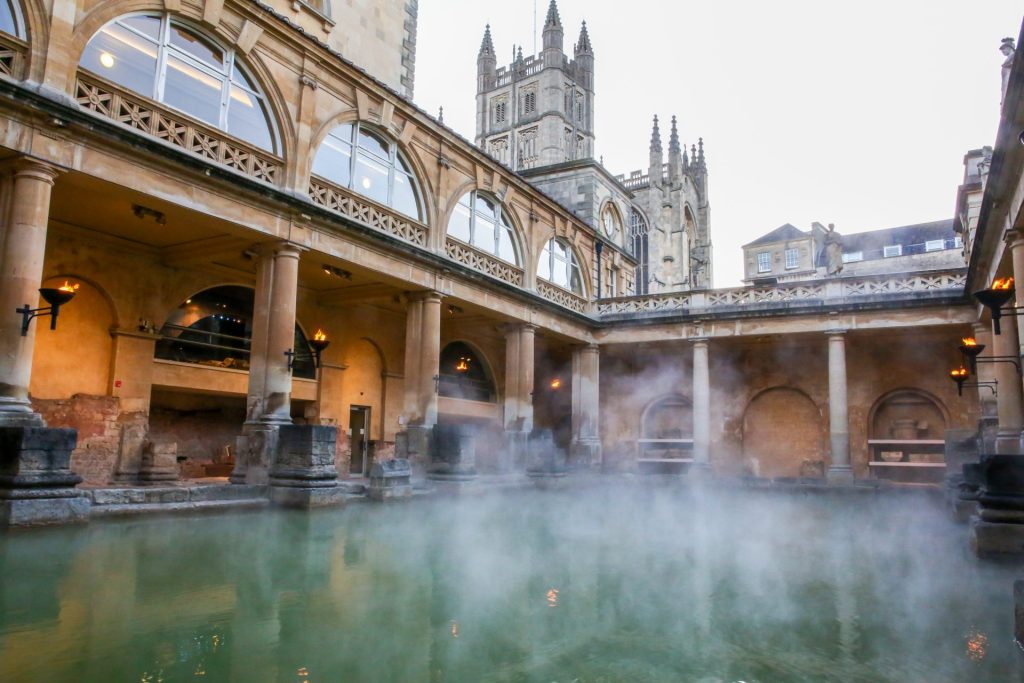
In Roman times, the bathhouses were not merely places to wash, but also vibrant centres of health, leisure and socialising. The Romans worshipped deities linked to healing at the Temple and springs. They believed an unhealthy person had a humoral imbalance (when the four humours of the body, blood, phlegm, yellow bile and black bile, were out of balance and caused sickness). However, by visiting the bathhouse, a person could realign the humours with the various hot and cold baths and heated rooms.
While visitors today are unable to bathe in the ancient pools, the grandeur of the structures remains intact, allowing guests to step into a space that once provided both physical and mental wellbeing – and which may be familiar to the modern spa-goer.
The Roman bathing experience was far more elaborate than the simple act of submerging in water. The experience typically began in the tepidarium, a warm room designed to prepare the body for more intense heat. From here, bathers would move to the caldarium, a much hotter room filled with steam, before stepping into the laconium, a dry sauna designed to induce deep relaxation. The Roman Baths also boasts the remains of a gym and, although it’s no longer possible to use them, its range of bathing pools isn’t dissimilar to today’s spas.
After the sauna, visitors could enjoy a massage or use a strigil – a curved scraping tool – to remove applied oil from their skin, a technique believed to promote circulation and cleanse the pores. The ritual would conclude with a plunge into cold water, known for its invigorating and revitalising effects on the body.
Beauty and Self-Care in Roman Times
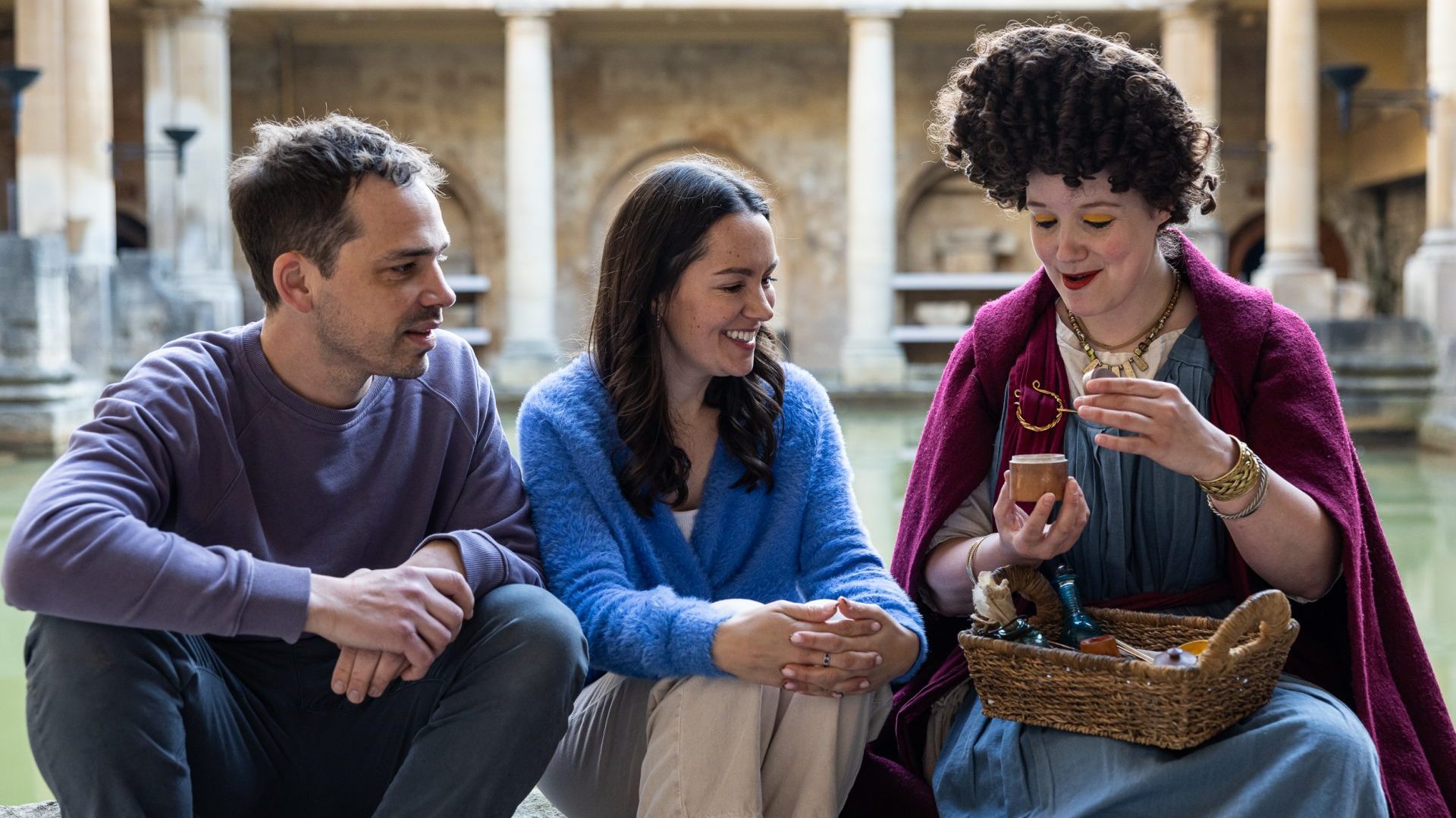
Wellbeing in ancient Rome was not only about bathing, but also about maintaining a healthy and beautiful body. Roman women, in particular, took great care with their appearance, often engaging in elaborate beauty rituals. Hair removal, for example, was common, with tweezers, pumice stones or bronze razors being used for the task. Cosmetics, often made from natural ingredients such as oils, minerals, and pigments, were used to enhance skin tone and appearance.
Although some of these beauty treatments used potentially harmful ingredients, like lead and chalk, the pursuit of beauty we intrinsically linked to health, social status and wellbeing. It was a reminder that, for the Romans, the body and the mind were interconnected, and true wellness meant caring for both.
Today you can meet costumed characters around the Great Bath – the centrepiece of the ancient complex. Based on real Romans who lived, worked and relaxed in Aquae Sulis, they will tell you about their experiences, answer your questions, and may even give you tips on self-care from 2,000 years ago!